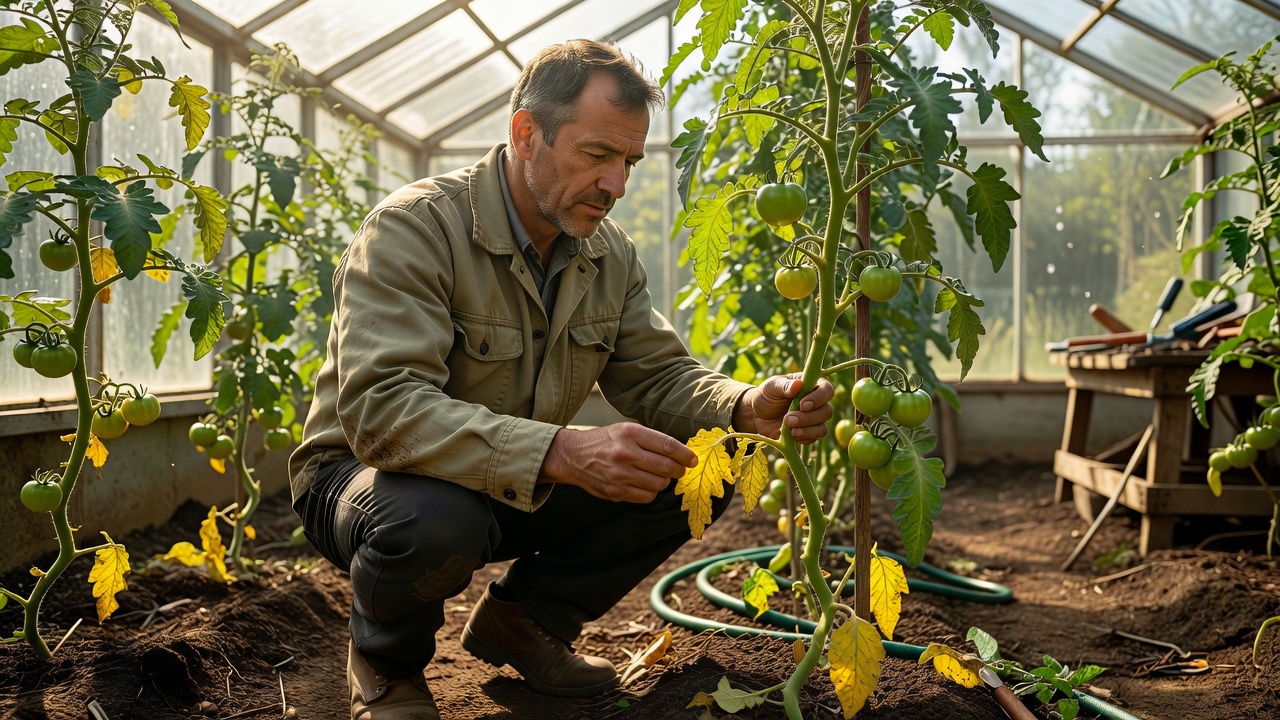
Start With Position, Not Colour
Yellow is the most reported leaf symptom and the least specific. Before deciding what it means, establish where on the plant it began. This one observation separates two very different families of causes.
Some nutrients, including nitrogen, magnesium and potassium, are mobile inside the plant. When supply runs short, the plant moves them from older leaves to support new growth, so the oldest, lowest leaves show the change first. Others, such as iron, manganese and calcium, move poorly once deposited, so shortages tend to show on the youngest leaves at the tips.
That principle is helpful, but treat it as a pointer. A plant that cannot take up nutrients because its roots are waterlogged, compacted or damaged can show exactly the same patterns as one growing in genuinely poor soil. The leaf tells you something is limiting the plant; the root zone often tells you why.
Questions to Answer First
- Older or newer leaves? Note which leaves changed first, not just which look worst today.
- Even or patterned? Uniform yellowing, yellowing between veins, blotches, rings or speckles each suggest different lines of enquiry.
- Edges or centres? Browning margins often relate to water supply, wind, salt or potassium; spots in the leaf blade more often relate to pests or pathogens.
- Sudden or gradual? Changes after one frosty night or one hot weekend read very differently from slow fading over a month.
- One plant or many? Several species with similar symptoms usually point to site conditions.
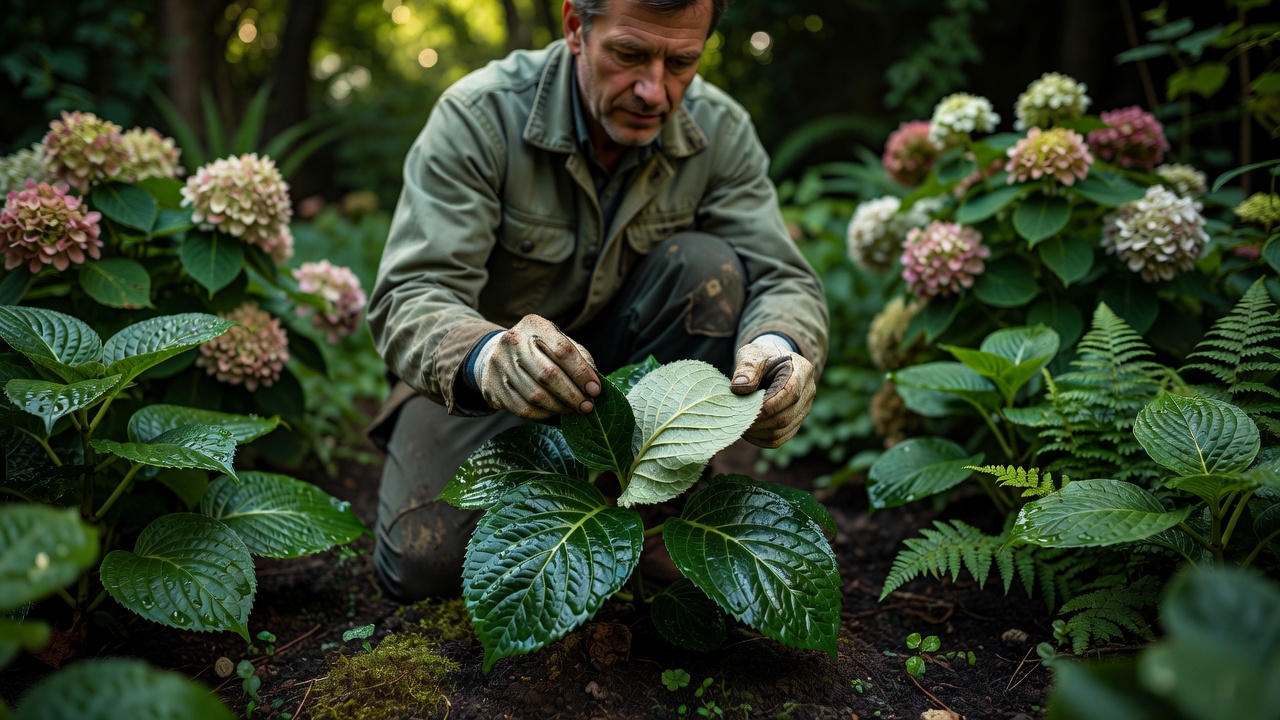
Comparison Rows: Observation and Possible Causes
Use this as a sorting tool, not an answer key. Each possible cause needs supporting evidence from the soil, the weather or a closer look before you act on it.
| Leaf observation | Possible causes to investigate | Supporting evidence to look for |
|---|---|---|
| Lower leaves pale yellow, evenly, plant slow | Nitrogen shortage; normal shedding of old leaves; pot-bound roots | No feeding in months; roots circling the pot; little new growth |
| Yellow between veins on older leaves | Magnesium shortage, sometimes after heavy high-potash feeding | Long-term tomato feed use; sandy or acidic soil |
| Yellow between veins on newest leaves | Lime-induced iron or manganese uptake problems | Acid-loving plant (camellia, rhododendron, blueberry) in alkaline soil or hard tap water |
| Brown, crisp leaf edges | Drought, wind scorch, root damage, fertiliser or salt build-up | Dry root zone; exposed site; recent heavy feeding; road salt nearby |
| Upward curl, distorted new growth | Aphids, herbicide drift, heat stress | Insects at shoot tips; recent spraying nearby; heatwave |
| Silvery or bronzed surface | Thrips, spider mites, sun scorch after moving a plant | Tiny insects or webbing with a hand lens; recent change in light |
Overwatered and underwatered plants can look almost identical from above. The difference is under the surface, so check the soil before you reach for the watering can.Reasoning caution
Timing and Weather Matter
Write down when you first noticed the change and what the weather did in the fortnight before. Cold, wet spring soils commonly cause temporary pale or purplish leaves on young plants because roots work slowly in the cold; these often recover as the soil warms. A sudden flush of brown patches after a bright day may be sun scorch on leaves that grew in shade or under glass. Prolonged heat can cause leaf drop as a protective response rather than a sign of disease.
Seasonal shedding also catches people out. Evergreens such as pines, hollies and rhododendrons naturally drop some older leaves each year, and that yellowing can look alarming if you are not expecting it. If the young growth is healthy and the dropping leaves are the oldest ones, patience may be the right response.
Next Checks
Feel the soil at root depth
Push a finger or trowel ten centimetres down near the stem. Dry and dusty suggests water stress; cold, sticky and sour-smelling suggests poor drainage. See the root zone route for more detailed tests.
Examine undersides with a hand lens
A ten-times lens reveals mites, thrips, scale and early fungal growth that the eye misses. Check several leaves from different heights.
Review your recent care
List feeds, sprays, repotting, moves and pruning in the past two months. Many leaf changes follow a care change by one to three weeks.
Watch the next new leaves
Damaged leaves rarely turn green again. Judge any change you make by the health of growth that appears afterwards, over two to four weeks.